
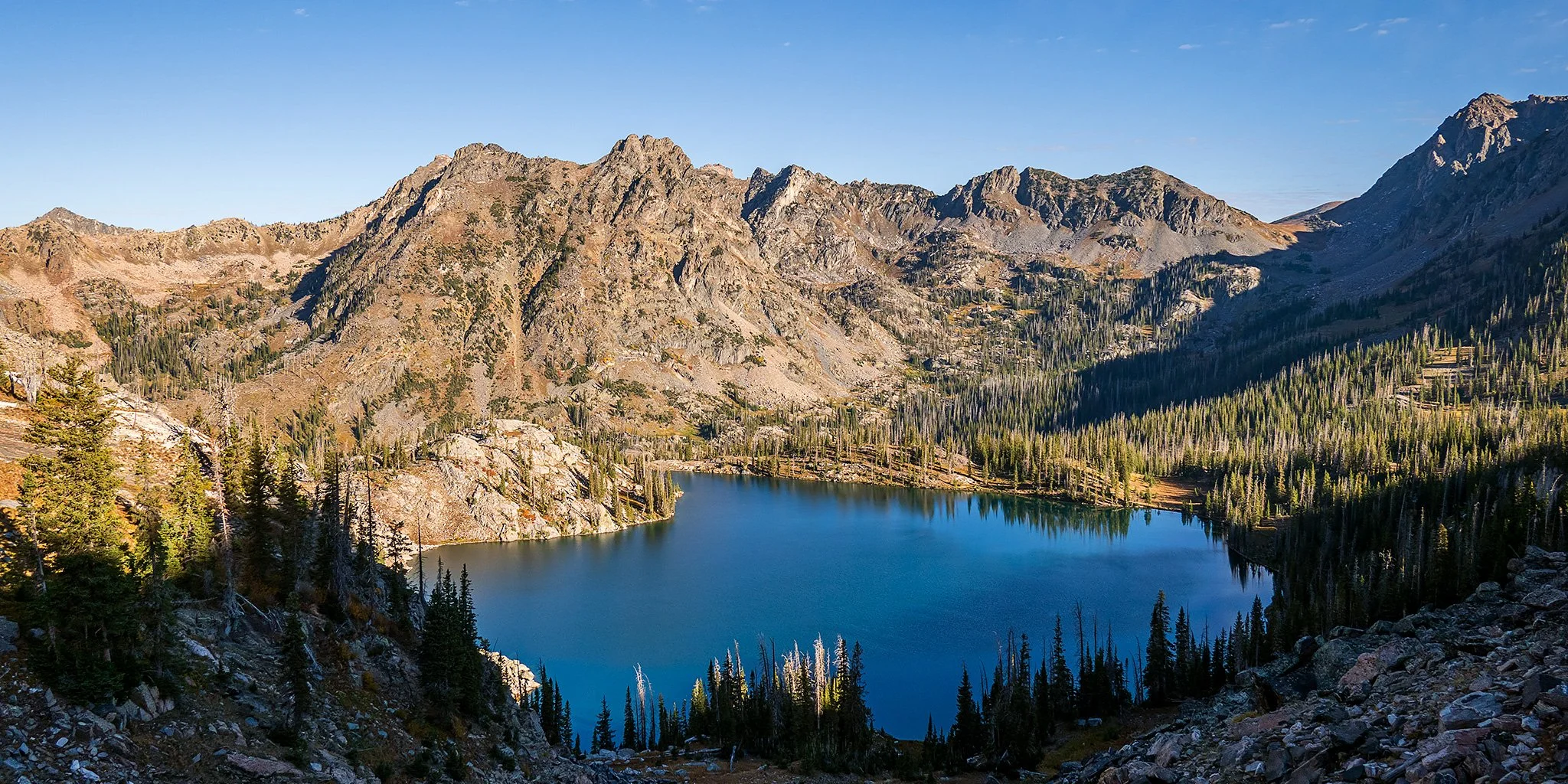
Working Together for Resilient
Rangeland, Forests & Watersheds
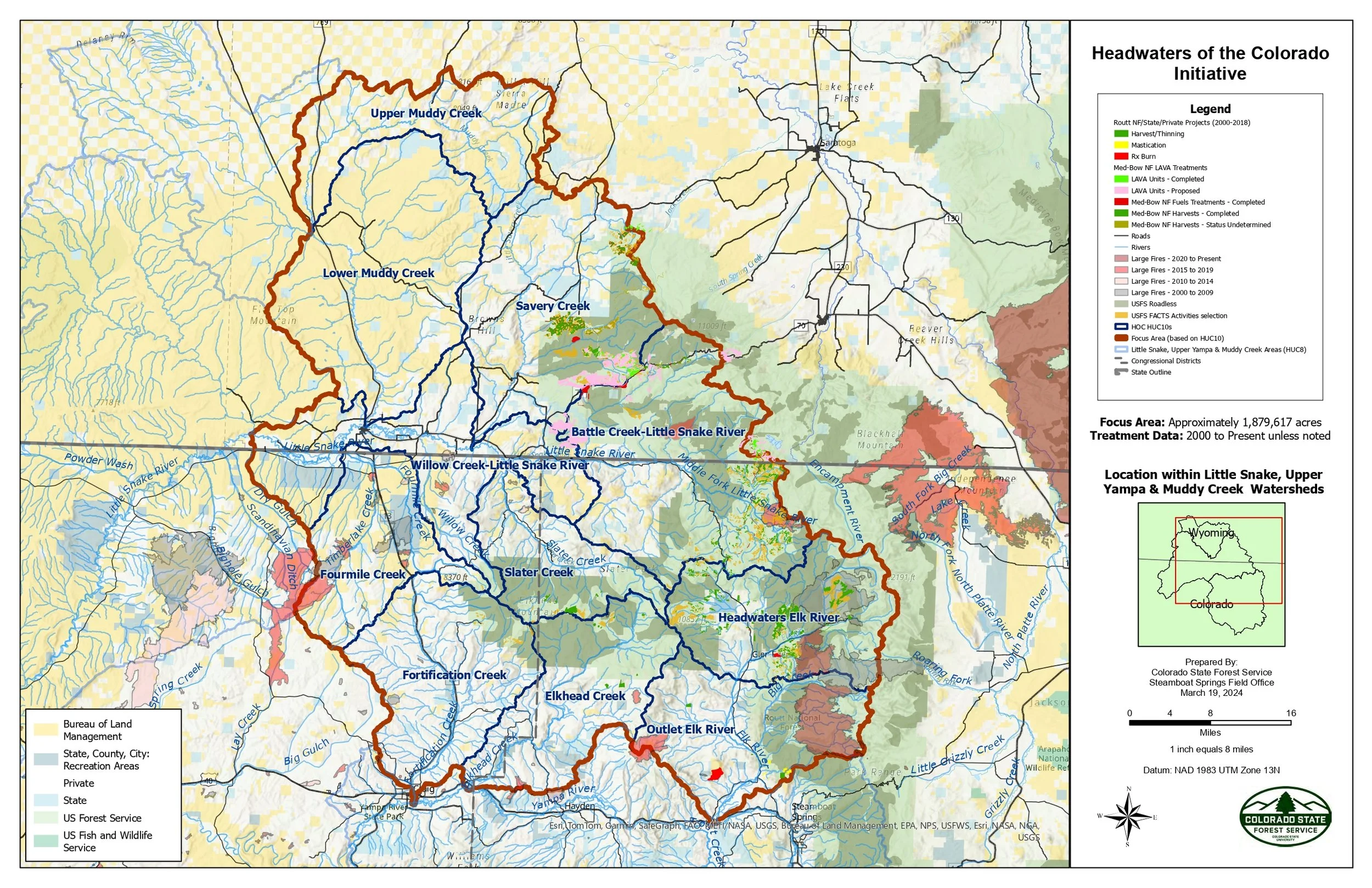
Headwaters of the Colorado (HOC) Initiative is a collaborative, science-based effort dedicated to restoring and preserving the vital forested and rangeland headwaters of the Colorado River Basin. Spanning nearly 2 million acres across Wyoming and Colorado, our work supports the resilience of ecosystems, communities, and economies that depend on these landscapes. Through partnerships, innovative strategies, and cross-boundary collaboration, HOC addresses the complex ecological and social challenges impacting water, forests, and biodiversity in this critical region.
Commitment to Collaboration
HOC is uniquely positioned to address these challenges through science-based planning, partnerships, and active engagement with all stakeholders. By fostering collaboration, we aim to create sustainable solutions for a resilient future.
Mission
Advance a resilient, functioning forest and rangeland landscape in the headwaters of the Upper Colorado River that benefits local and downstream communities, ecosystems, and economies through science-based planning, coordinated partnerships, strategic investment, and cross-boundary collaboration.
Goals
Watershed Resilience - Strengthen watershed resilience by increasing water retention, supply, and quality, and enhancing headwater systems through cross-boundary coordination and management.
Forest & Rangeland Health - Improve and maintain forest and rangeland health by scaling up restoration and management efforts to reduce catastrophic wildfire risk, sequester carbon, and protect communities and infrastructure, while supporting sustainable agricultural production and agroforestry systems.
Ecosystem Integrity - Enhance ecosystem integrity by integrating wildlife habitat, fisheries, and biodiversity conservation with forest productivity and watershed function.
Rural Economies - Foster thriving rural communities by supporting sustainable forest products, working lands, and resource-based economies.
A Multi-State, Multi-Disciplinary Approach
While HOC’s focus is landscape-level and cross-boundary, we are also mindful of differences in funding realities, culture, land tenure, and priorities between the two states.
HoC brings a holistic, integrated lens to the health and resilience of our forested and rangeland watershed. However, we recognize that the concepts of forest health and watershed health may hold different meanings for different people. We are committed to exploring and communicating what a functional forested watershed means with our partners and stakeholders.
The Landscape
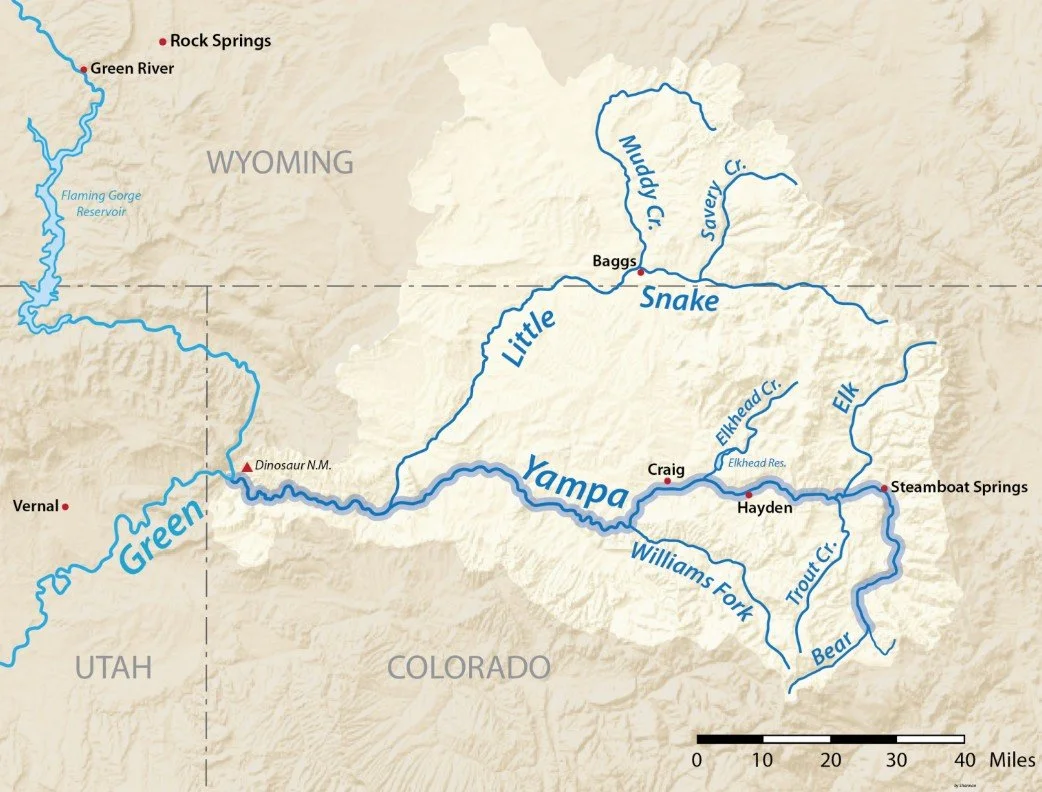
The HOC geography is located at the headwaters of the Upper Colorado River Basin, which include the Elk River, Elkhead Creek, and Little Snake River in Wyoming and Colorado, important tributaries to the Yampa River. This area encompasses the Medicine Bow-Routt National Forest and spans a 1.9-million-acre rural watershed.
Ecological and Recreational Importance
This region serves as:
A critical refuge for migratory birds traveling the Pacific Flyway.
A recreational destination for skiing, hunting, fishing, hiking, and camping.
A biodiverse habitat supporting big game species (mule deer, pronghorn, elk), Greater sage-grouse, Columbian sharptail grouse, black bears, mountain lions, endangered fish species, and migratory birds.
The Issues

Hydrology and Water Scarcity
Warming temperatures and decreased precipitation leads to reduced snowpack.
Reduced snowpack leads to persistent, potentially irreversible declines in watershed runoff to the Colorado River Basin.
Demands from downstream agricultural, recreational, industrial, and environmental sectors who rely on these watersheds and increasing, even as runoff supply declines.
Sustainable water management and restoration are critical to balance supply and demand.

Forest Health and Wildfire Risk
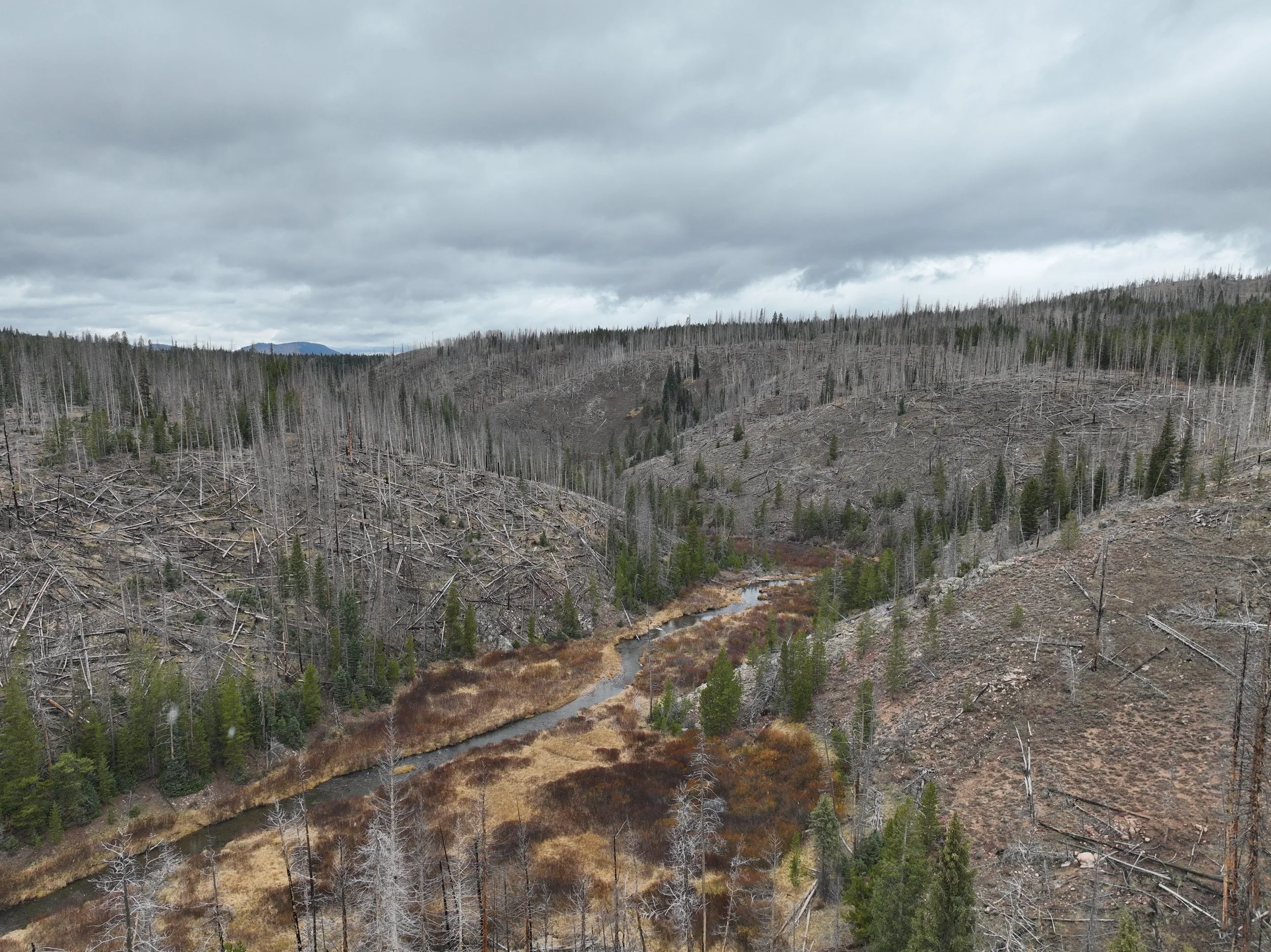
Historic fire suppression, insect infestations, and changing fire regimes have increased wildfire risks.
Severe wildfires affect sediment, streamflow, and nutrient cycles.
Ecologically beneficial fire, forest, and upland watershed management are needed
Supports projects for wildfire mitigation and a healthy forest ecosystem

Socioeconomic Challenges
Stakeholder factions with differing preservation and use values complicate forest management and land-use decisions.
Challenges in NEPA processes and litigation threaten progress on forest management.
Creates employment opportunities and supports local communities.
Facilitates partnerships between organizations within the watershed.